Sewer gas is not just unpleasant — at high concentrations it is dangerous. Here is what the smell means and when to act urgently.
What Sewer Gas Contains
Sewer gas is a mixture dominated by hydrogen sulfide (the rotten-egg smell), plus methane, ammonia, and carbon dioxide. Hydrogen sulfide is detectable by the human nose at extremely low concentrations — around 0.5 parts per billion — which is why even small leaks announce themselves loudly.
Health Effects by Exposure Level
Low-level (typical household leak): headaches, nausea, dizziness, eye and throat irritation. Unpleasant but not immediately dangerous with ventilation. Moderate: prolonged exposure causes fatigue, loss of appetite, and irritability. High-level (confined spaces): hydrogen sulfide deadens the sense of smell at around 100 ppm — the warning sign disappears just as danger peaks. Confined-space entry into sewers has killed workers; never enter a pit or vault with strong sewer odor.
Common Household Sources
- Dry traps: unused floor drains or guest bathrooms where the water seal evaporated — pour water to refill
- Cracked vent stacks: allow gas into wall cavities
- Failed wax ring: toilet base leaks gas (and water) onto the floor
- Damaged lateral: a cracked sewer line under or near the foundation lets gas seep up — the serious case
What to Do About the Smell
Start simple: run water in rarely used drains, check for visible toilet-base leaks. If the odor persists, especially combined with slow drains or gurgling, the lateral itself may be compromised. A camera inspection finds cracks and separations admitting gas. In Southaven, rapid-growth suburbs, mostly post-1990 construction with aging joints makes lateral-sourced odor common.
Common Mistakes Homeowners Make
The biggest mistake is ignoring early warning signs. A slow drain that clears with plunging feels resolved, but if the underlying cause is root intrusion or a developing belly, the problem returns worse each time. Another frequent error is hiring based on price alone — the cheapest quote often skips the camera inspection, meaning the contractor is guessing at the problem. In Southaven, where loess and clay and hot humid summers with heavy storms create specific failure patterns, local experience matters more than a low bid.
Homeowners also err by flushing so-called "flushable" wipes, pouring grease down kitchen drains, or planting thirsty trees directly over the lateral path. Each of these shortens the line's life measurably. A little prevention — knowing where your lateral runs, keeping wipes out, and scheduling periodic inspections — avoids most emergencies.
Frequently Asked Questions
How do I know if my Southaven home needs this service?
Watch for the classic indicators: recurring slow drains, gurgling sounds, sewage odors, or unusually lush patches in the yard. If your home has rapid-growth suburbs, mostly post-1990 construction, a camera inspection is the definitive way to assess the lateral's condition rather than guessing.
Can I handle this as a DIY project?
Minor maintenance like keeping drains clear of grease is fine for homeowners. But anything involving the main lateral — inspection, cleaning with professional equipment, or repair — requires licensed professionals with specialized tools. Mistakes on a sewer lateral can create health hazards and expensive damage.
How long does the work typically take?
Most diagnostic visits and cleanings complete in a few hours. Trenchless repairs usually finish in one to two days. Full replacements depend on length and method but rarely exceed a week for residential properties in Southaven.
Will my yard be torn up?
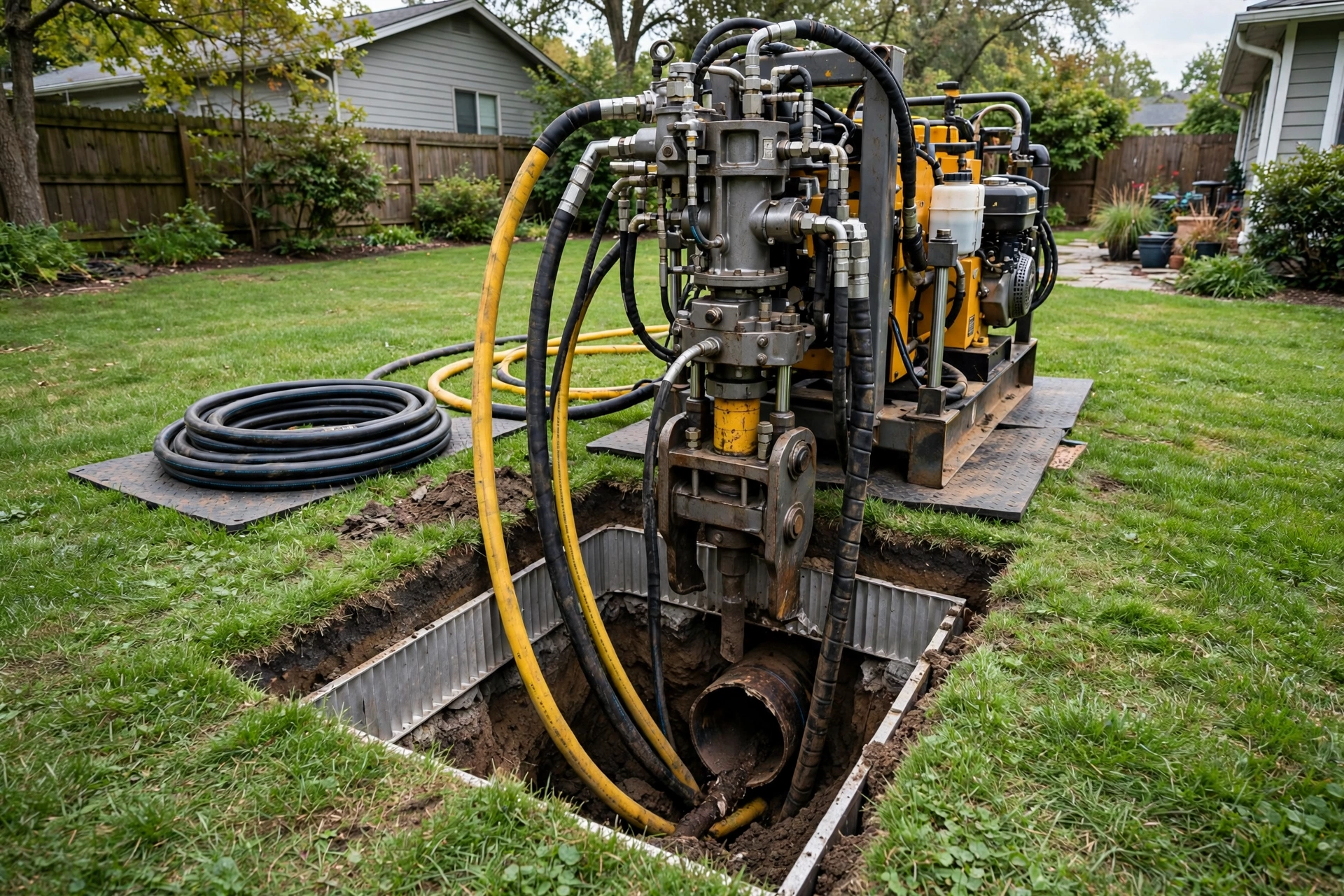
Not necessarily. Trenchless methods were developed specifically to avoid excavation. Even when some digging is needed, professional crews restore the surface afterward. Ask your contractor exactly what restoration is included before work begins.
How do I choose the right contractor in Southaven?
Verify licensing and insurance, read local reviews, and insist on a camera inspection before accepting a repair quote. A reputable contractor explains your options — including doing nothing yet, if the line is sound — rather than pressuring an immediate decision. Call (833) 713-2101 for an honest evaluation.
When It Is Urgent
Key Takeaways for Southaven Homeowners
- Do not ignore early warning signs — small sewer issues become expensive emergencies when neglected, especially with loess and clay and hot humid summers with heavy storms accelerating deterioration.
- Always get a camera inspection before authorizing major work; video evidence protects you from unnecessary repairs and helps you compare quotes fairly.
- Ask every contractor about trenchless options — in Southaven, where rapid-growth suburbs, mostly post-1990 construction, minimally invasive methods often save both money and landscaping.
- Keep records of all inspections, cleanings, and repairs; documentation helps with insurance claims, property sales, and warranty enforcement.
- Build a relationship with a trusted local sewer specialist before an emergency strikes — having a known, reliable number saves panic-driven decisions at 2 AM.
Your sewer lateral is out of sight, but it should not be out of mind. Proactive attention — a periodic inspection, mindful drain habits, and prompt response to warning signs — keeps this critical system working quietly for decades. If you have questions about your Southaven sewer line or want a professional assessment, call (833) 713-2101 today.
Strong, sudden sewer odor with headache or nausea — ventilate immediately (open windows, leave the area) and call for professional help. Do not ignore a smell that appeared overnight; something changed. For persistent sewer gas issues in Southaven, call (833) 713-2101 — we locate the source, not just mask the smell.
Need help with your sewer line in Southaven? Our team provides honest diagnostics and lasting repairs. Call (833) 713-2101 today.