Sewer Backup Insurance Coverage in Southaven, MS: A Homeowner's Guide
Published: 2026-10-10
When sewage backs up into your home, two crises arrive at once: the mess itself, and the question of who pays for the cleanup. Standard homeowners insurance policies treat sewer backups in a specific — and often surprising — way, and misunderstanding your coverage before you file can cost you the claim. This guide explains how sewer backup coverage typically works, the exclusions that catch Southaven homeowners off guard, and the exact steps to take from the moment you discover the backup.
One important note up front: we are a referral service connecting homeowners with independent local plumbing professionals — we are not an insurance company and this is general information, not advice about your specific policy. Policy language varies, so the final word is always your own policy documents and your insurer. That said, the patterns below hold true for most standard policies, and knowing them puts you in a far stronger position when you call your agent.
What Standard Policies Usually Cover — and the Backup Exclusion
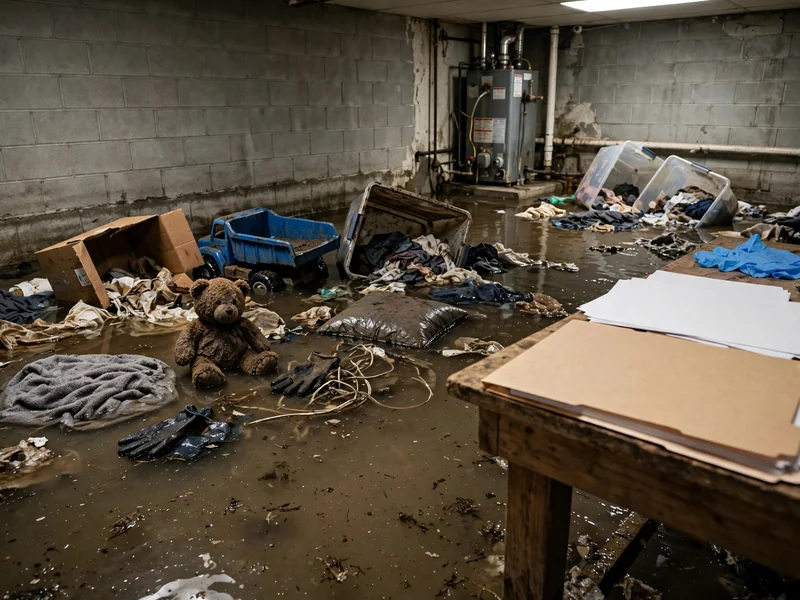
Most standard homeowners policies cover sudden, accidental water damage — a burst supply pipe, for example — but they specifically exclude damage from water or sewage that backs up through sewers or drains. That exclusion is the trap: the cleanup, the ruined flooring, the damaged drywall from a sewer backup are typically not covered under the base policy at all. Many homeowners discover this only after filing, when the adjuster points to the exclusion they never noticed.
The fix is an endorsement often called water backup or sump overflow coverage, which you add to your policy for an additional premium. It covers damage from backed-up sewers, drains, and sump pump overflows up to a stated limit. If you do not have this endorsement, a sewer backup claim will very likely be denied. Check your policy's declarations page now — before you need it — and if the endorsement is missing, ask your agent to add it. In Southaven, where spring storms regularly overwhelm aging lines, this is one of the highest-value endorsements a homeowner can carry.
Common Exclusions and Limits to Know
Even with a water backup endorsement, coverage has boundaries. The endorsement covers resulting damage — the ruined carpet, the damaged walls — but it generally does not pay to repair or replace the failed sewer line itself. That is considered maintenance of your property, not insurable damage. Endorsement limits are also modest compared to full policy limits; many are capped at amounts that cover a moderate cleanup but not a major finished-basement loss. Know your limit before you need it.
Flood is a separate exclusion that confuses many Southaven homeowners. If stormwater enters your home from outside — overland flooding during a spring downpour — that is flood damage, which standard policies exclude entirely and which requires separate flood insurance. A backup that comes up through your drains during that same storm may be covered under your water backup endorsement, but water that flowed in under the door is not. Documenting where the water came from — with photos and video — is therefore critical. Neglect and gradual damage are also excluded: a line you knew was failing for a year is a maintenance issue, not a sudden event.
What to Do From the Moment You Discover a Backup
First, stop the damage from spreading: halt all water use in the house — no flushing, no laundry, no dishwashing — because every gallon flows into a line that cannot drain. Then document everything before cleanup begins. Photograph and video every affected room, the waterline marks on walls, damaged belongings, and the source of the backup if it is visible. This documentation is the foundation of any claim, and you cannot recreate it after the cleanup crew leaves.
Second, call for emergency sewer repair to stop the backup and diagnose the cause — call (833) 713-2101. Keep every invoice and the technician's written diagnosis, because your insurer will ask what caused the backup and what was done about it. Third, call your insurer promptly; most policies require timely notice, and delay can jeopardize the claim. Fourth, mitigate further damage as your policy requires — moving undamaged belongings out, for example — but do not throw away damaged items until the adjuster has seen them or given permission. Finally, if the adjuster denies the claim, ask for the denial in writing with the specific policy language cited, and consider whether your water backup endorsement was actually in force.
Southaven-Specific Claim Realities
Southaven's spring storm season creates the region's most common backup scenario: heavy rain infiltrates aging sewer lines through cracked joints and root openings, and the line that was slow in March backs up in April. When you file, the adjuster will want to know whether the backup came through your drains (potentially covered under your endorsement) or whether it was overland flooding (excluded without flood insurance). Your photos and the technician's diagnosis — for example, a leak detection report showing infiltration through failed joints — are what establish the cause.
Mature tree roots add another wrinkle. If the backup was caused by roots that have been growing into your line for years, an adjuster may argue gradual damage and maintenance neglect. Regular maintenance records — cleanings, inspections, root treatments — become evidence that you maintained the system and that the backup was sudden. Keep those records with your policy file. And remember the endorsement limit: if your finished basement took on several inches of sewage, get a professional remediation estimate early so you know whether the damage exceeds your coverage and you need to plan accordingly.
Frequently Asked Questions
Does homeowners insurance cover sewer line replacement?
Usually not. Policies and water backup endorsements cover resulting damage — the cleanup and the ruined finishes — but the failed pipe itself is considered a maintenance responsibility of the homeowner. Replacing an aging or root-damaged line is not an insurable event. Budget for line replacement as home maintenance, and use insurance for the damage a sudden backup causes.
What is water backup coverage, and do I need it?
It is an optional endorsement added to a homeowners policy that covers damage from water or sewage backing up through sewers, drains, or sump pumps — the exact scenario standard policies exclude. If you own a home in Southaven with an aging sewer line or a basement or slab prone to backups, it is one of the most worthwhile endorsements available. Check your declarations page to confirm you have it.
Will my claim be denied if the backup happened during a storm?
Not automatically — it depends on where the water came from. Sewage that backed up through your drains during a storm is typically a water backup claim; stormwater that flowed in from outside is flood damage, which standard policies exclude. This is why documenting the source with photos and getting a technician's written diagnosis of the cause matters so much to the outcome.
Should I clean up before the adjuster arrives?
Mitigate further damage as your policy requires — stop water use, move undamaged belongings — but document everything thoroughly first with photos and video, and do not discard damaged items until the adjuster has inspected them or authorized disposal. Keep all repair and remediation invoices. If sewage poses a health hazard, professional remediation should not wait for the adjuster; document first, then clean.
What if my insurer denies the backup claim?
Ask for the denial in writing, citing the exact policy language. Verify whether your water backup endorsement was actually in force and what its limit was. If the denial cites an exclusion you believe does not apply — for example, calling a drain backup flood damage — you can appeal with your documentation and the technician's cause-of-loss report, or consult your state's insurance department for guidance on the dispute process.