Sewer Line Easements in Southaven, MS Explained
Published: 2026-10-10
A sewer easement is a legal right for a utility — usually the city or county — to access, maintain, and repair sewer lines crossing your property, even though you own the land. Most Southaven homeowners have one and never think about it until a repair crew needs to dig, a fence project gets flagged, or a tree planted over the line causes a dispute. Understanding your easement before you build, plant, or pave over it saves real money and headaches.
This guide explains what sewer easements are, how to find yours, what you can and cannot do within one, and how easements affect sewer repair projects on your property. If you are planning a repair and are unsure about access or easement boundaries, call (833) 713-2101 — the repair plan needs to account for them from the start.
What an Easement Is and Why It Exists
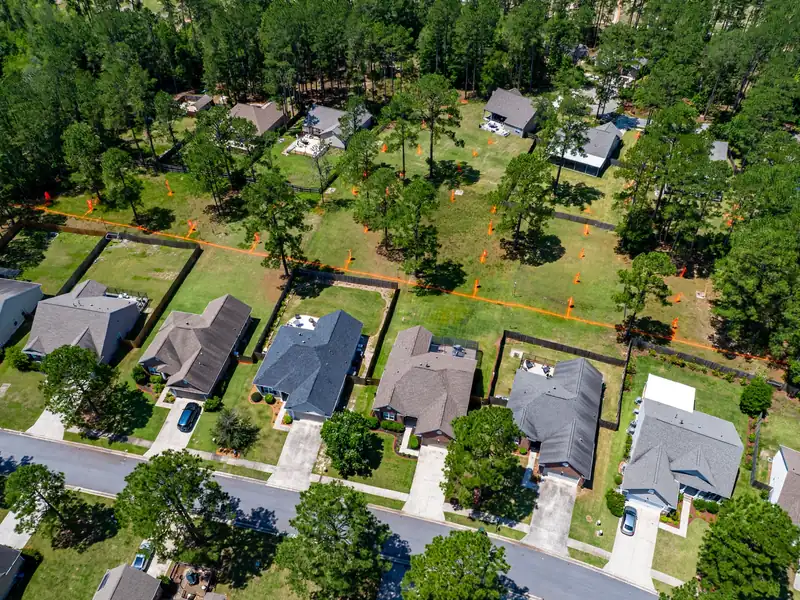
An easement is a recorded legal interest in your land held by someone else — in this case, the right to run a sewer line through your property and to enter the property to service it. Easements are created when subdivisions are platted: the developer dedicates strips of land, often along rear or side lot lines, for utilities. They run with the land, meaning they bind every future owner whether or not anyone mentioned them at closing.
There are two kinds that matter to homeowners. A utility or sewer easement grants the municipality access to the public sewer main and related infrastructure crossing your lot. A private drainage or access easement may cover the portion of your own lateral that crosses a neighbor's lot (or vice versa) on its way to the main. Both restrict what you can do in the easement strip — and both can surprise owners who assume that owning the land means controlling everything on it. The easement does not transfer ownership; you still own the soil, pay taxes on it, and maintain it. It transfers specific rights of use and access.
How to Find Your Easement
Start with your property survey or plat, which you likely received at closing. Easements are drawn as dashed lines labeled with their purpose and width — a typical sewer easement is 10 to 20 feet wide. If you cannot find your survey, the DeSoto County land records office maintains plats for Southaven subdivisions, and many are searchable online. Your title insurance policy from purchase also lists easements as exceptions to coverage — worth re-reading before any major yard project.
A sewer camera inspection with locating can also map where your lateral actually runs, which sometimes differs from where the plat suggests — older lines were not always installed exactly on the easement centerline. Before any repair project, the contractor should verify the line's real route and confirm which portions lie within easements. If your lateral crosses a neighbor's property under an easement, the repair crew has a legal right of access, but as a practical matter, notifying the neighbor before equipment arrives prevents disputes.
What You Can and Cannot Do in an Easement
The core rule: nothing permanent, and nothing that blocks access. You can generally landscape an easement with grass and shallow-rooted plantings, and you can use it as ordinary yard. You cannot build structures on it — no sheds, no additions, no pools — and you should not pave it with permanent concrete or install expensive hardscaping. If the utility needs to excavate, anything you built in the easement can be removed, and the utility is typically not obligated to restore your improvements beyond rough grading.
Trees are the classic easement mistake. Planting a large oak directly over a sewer easement invites two problems: roots invading the line (Southaven's clay soil and mature tree canopy make this one of the area's most common sewer failures), and the tree's eventual removal if the line needs excavation. Keep large trees well clear of the easement strip. Fences are a gray area: many homeowners fence across easements, but the fence must not prevent utility access — install it knowing a section may need temporary removal, and never pour concrete footings directly over the line. When in doubt, call the utility or the city's public works department before you build; a five-minute call beats a costly removal.
How Easements Affect Sewer Repair Projects
Easements shape the repair plan in practical ways. If your lateral's damaged section lies within a utility easement, access is straightforward — but the restoration standard may be basic, so discuss with your contractor who restores what and to what finish. If the repair requires access across a neighbor's lot via easement, confirm the easement language covers the work planned; most do, but unusual situations (like needing to stage heavy equipment for days) deserve a conversation with the neighbor first.
Easements also influence the trenchless-versus-excavation decision. Trenchless repair — lining or bursting — needs only small access pits, which dramatically reduces easement disruption and neighbor impact compared to an open trench through the easement strip. When the damaged section sits under a neighbor's prized landscaping within an easement, trenchless is often the difference between a smooth project and a dispute. Whatever method is chosen, get the access plan in writing before work starts: where equipment will sit, what gets disturbed, and who restores it. A little easement homework up front is what keeps a sewer project from becoming a property-line feud.
Frequently Asked Questions
Can the city dig up my yard without permission because of an easement?
If a recorded sewer easement covers the area, the utility generally has the legal right to access it for maintenance and repair without your permission — that is what the easement grants. In practice, utilities notify homeowners before planned work, and emergency repairs may proceed with minimal notice. The easement language controls the details, so reading it is worthwhile.
Who pays to restore my yard after easement work?
It depends on the easement language and local practice. Utilities typically restore the area to a basic functional condition — backfilled, graded, and seeded — but not to the standard of your prize landscaping or custom hardscaping. Anything you built or planted inside the easement was at your own risk. For private lateral repairs, restoration is between you and your contractor and should be in the written contract.
Can I plant trees near a sewer easement?
Keep large trees well outside the easement strip — roots seek sewer lines, and Southaven's mature oaks are aggressive rooters. Small, shallow-rooted ornamentals at the easement's edge are usually fine, but anything with an aggressive root system planted over or near the line is asking for a future root intrusion and a future excavation through your landscaping.
My neighbor's sewer line crosses my yard. What are my rights?
If a recorded easement grants that access, you must allow reasonable access for maintenance and repair, but you are entitled to reasonable notice for planned work and to have the area restored afterward. You cannot build over the easement to block it. If there is no recorded easement and the line predates current ownership, the situation is murkier — consult a real estate attorney before taking action.
Do easements affect my property value?
Standard utility easements along lot lines have minimal effect on value — nearly every subdivided lot has them, and buyers expect them. Problems arise when structures were built inside easements without regard for them, creating a removal risk that shows up in surveys and title work. Keeping the easement clear protects both your use of the yard and your resale position.