Signs Your Sewer Line Needs Repair: A Southaven, MS Checklist
Published: 2026-10-10
Sewer lines rarely fail without warning. They send signals — sometimes subtle, sometimes unmistakable — for months or years before the big backup. The homeowners who act on early signs get planned, affordable repairs. The ones who wait get emergency visits, water damage, and ruined weekends. Learning to read the signs is the highest-value homeowner skill in this guide.
This checklist covers the warning signs that matter, ordered roughly from earliest to most urgent, with Southaven-specific context for each. If you recognize several of these in your home, do not wait for the pattern to complete itself — call (833) 713-2101 and get a camera inspection before the line makes the decision for you.
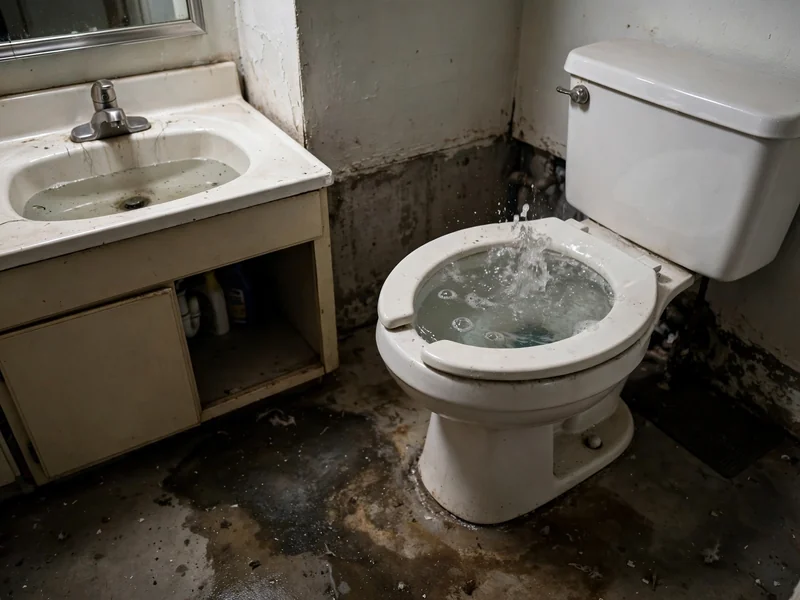
The Early Warnings: Slow Drains, Gurgling, and Odors
Multiple slow drains are the classic first sign. One slow bathroom sink is a local clog; the kitchen, the shower, and the laundry all slowing together means the restriction is in the main line they share. Pay attention to progression: a line that drains a little slower each month has a growing obstruction — grease accumulating, roots expanding, scale building — and it will not reverse itself. Gurgling is the companion symptom: air trapped by a partial blockage bubbles up through fixtures, especially toilets and tubs. Occasional gurgling after heavy use deserves attention; regular gurgling demands it.
Sewer odors are the third early warning. A rotten-egg smell from drains, around the cleanout, or in the yard means sewer gas is escaping where it should not — through a dry trap (minor), a failed seal or cracked vent (moderate), or a damaged line (serious). In Southaven, note the seasonal pattern: odors that appear with spring rains suggest infiltration through cracked joints, while summer odors often trace to dry traps and heat-accelerated decomposition. Any persistent sewage smell is worth investigating; the cause never improves on its own.
The Escalating Signs: Backups, Wet Spots, and Lush Patches
A sewage backup — wastewater coming up through a tub, shower, or floor drain — is the sign no one misses, and it means the line is blocked or broken now. The lowest fixtures back up first, since sewage seeks the lowest exit. One backup after an identifiable cause (a child flushing toys) is an incident; a second backup within a year is a pattern, and patterns mean the pipe is the problem. After any backup, the camera inspection is non-negotiable — clearing the blockage without inspecting invites the next one.
Outdoor signs tell the underground story. An unusually lush, green stripe or patch in the lawn above the sewer line's route means the line is leaking nutrient-rich wastewater into the soil — fertilizing that one strip. Soggy or sunken areas in the yard, especially when the rest of the lawn is dry, suggest a leak washing out soil or a break surfacing. In Southaven's clay soil, which holds water, these signs can be dramatic: a persistent wet spot that never dries, or a depression that deepens over months. Foundation cracks, unusually damp crawlspaces, or settlement near the line's route are the advanced versions — soil washed out by a long-term leak undermining structures. By this stage, repair is overdue.
Southaven-Specific Patterns Worth Knowing
Rain-correlated symptoms are Southaven's signature warning. If your drains slow every time it storms, rainwater is infiltrating your line through cracked joints or root openings — the line is already damaged, and each storm stresses it further. Homeowners often normalize this ('the drains are just slow when it rains') for years, until the storm that overwhelms the line completely. Treat rain-linked slowdowns as a repair indicator, not a quirk.
Tree proximity is the second local pattern. If large oaks, maples, or pines stand within 30 feet of your line's route — common in mature neighborhoods like Cherry Tree Park and Deerchase — assume roots are a factor in any symptom you see. Root intrusion follows a predictable escalation: fine hairs one year, a fibrous mass the next, a woody blockage the year after. And age is the third: Southaven homes built before 1980 with original clay, cast iron, or Orangeburg lines are all in the failure window. If your home is 40-plus years old, has never had its line inspected, and shows any symptom on this list, the inspection is overdue — the question is not whether the line needs attention, but how much.
What to Do When You Spot the Signs
First, do not ignore them and do not mask them. Chemical drain cleaners do not fix root intrusion, bellies, or broken pipe — they just add chemical damage to the structural damage. Second, get the camera inspection. It converts every vague symptom into a specific diagnosis with footage markers: the break at 47 feet, the root mass at 63, the belly holding water at 80. That footage is what turns 'I think the line is bad' into a repair plan with a defined scope.
Third, act on the timeline the diagnosis supports. A single root intrusion with an otherwise sound line: schedule maintenance and monitor. Multiple failed joints or a collapse: plan the repair before the next spring storm season, because Southaven's April rains are when marginal lines become emergencies. Fourth, document everything — the symptoms, the inspection video, the repair quotes — in your home file. And if sewage is actively backing up into your home right now, skip the checklist: stop water use and call (833) 713-2101 for emergency service. Early signs are for planning; active backups are for acting.
Frequently Asked Questions
My drains are slow but nothing is backing up. Is that urgent?
It is a warning, not yet an emergency — but it is the stage where action is least costly. Multiple slow drains indicate a developing main-line restriction: grease, roots, or scale. A camera inspection now identifies the cause while it is still a maintenance or minor repair issue. Waiting until it becomes a backup converts a planned visit into an emergency with water damage attached.
One toilet backs up but everything else is fine. Sewer line problem?
Probably not the main line — an isolated fixture usually means a local clog in that fixture's branch. The main-line red flags are multiple fixtures affected simultaneously, backups on the lowest level when upper fixtures are used, and gurgling across rooms. If the single fixture keeps recurring after clearing, though, have it checked — branch problems can signal venting issues.
There's a green stripe in my lawn. Does that mean my sewer is leaking?
Very likely, if the stripe follows the sewer line's route from house to street. Leaking wastewater fertilizes the soil, producing a distinctly lush band. Confirm with a camera inspection rather than digging on a hunch — the camera will show the leaking joint or crack and mark its location. It is one of the most reliable visual signs of an underground leak.
How quickly should I act on sewer warning signs?
Early signs (slow drains, occasional gurgling, mild odors): schedule an inspection within weeks. Escalating signs (repeat backups, wet spots, lush patches, rain-linked slowdowns): schedule within days. Active sewage backup into the home: act immediately — stop water use and call for emergency service. Southaven's spring storm season accelerates every timeline; do not head into April with known symptoms unaddressed.
Will a home inspection catch sewer line problems?
A standard home inspection does not include the sewer lateral — inspectors check visible plumbing, not the buried line. Sewer problems are specifically excluded from most general inspections, which is why a separate camera inspection is recommended when buying (especially older Southaven homes) and whenever symptoms appear. Never assume a clean home inspection means a sound sewer line.