Emergency Sewer Repair in Southaven, MS: What to Expect
Published: 2026-10-10
Sewage backing up into your home is one of the few household problems that cannot wait until morning. It is unsanitary, it damages everything it touches, and it usually gets worse the longer water keeps running into a blocked line. Knowing what counts as a true sewer emergency — and what happens from the moment you pick up the phone — takes the panic out of a miserable situation and helps you protect your home while help is on the way.
This guide explains how emergency sewer service works in the Southaven area: what the dispatcher will ask, what the technician does first on arrival, what temporary measures are possible, and what the path from crisis to permanent repair looks like. If you are dealing with an active backup right now, call (833) 713-2101 — then read on while you wait.
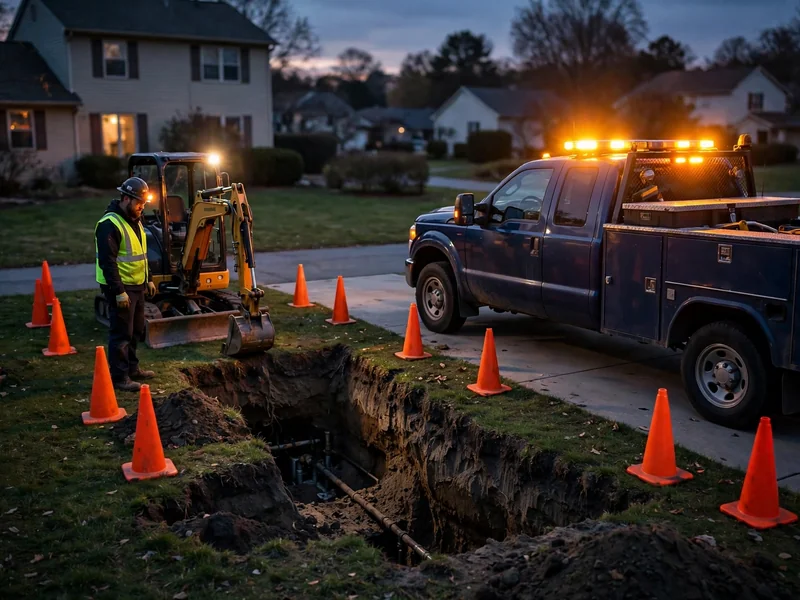
What Counts as a Sewer Emergency
Any situation where sewage is entering your living space, or is about to, is an emergency: wastewater coming up through tubs, showers, or floor drains; toilets backing up on the lowest level when fixtures are used upstairs; or sewage visibly surfacing in the yard near the line. A single slow drain is usually not an emergency — but multiple fixtures backing up at once means the blockage is in the main line, and that will not fix itself.
Timing matters because backups escalate. Every flush and every load of laundry sends more water into a line that cannot drain, raising the level of the backup. Spring storms in Southaven add a seasonal trigger: heavy rain infiltrates cracked sewer lines through bad joints and root openings, and a line that was merely slow in March can be fully blocked after an April downpour. If a storm is forecast and your drains are already sluggish, treat it as urgent rather than waiting to see what the rain does.
What Happens When You Call
The dispatcher will ask a short set of questions: your address, which fixtures are affected, whether sewage is actively coming up, whether you have a cleanout (and where it is), and whether the problem started suddenly or built up over time. Have those answers ready — they determine what equipment the technician loads and whether the situation needs immediate dispatch or a same-day slot. You will also be told what to do right now: stop running water, avoid flushing, and keep people and pets away from any standing wastewater.
On arrival, the technician's first job is diagnosis, not digging. Expect a sewer camera inspection or an attempt to clear the line through the cleanout so the camera can get through. Most emergency visits resolve into one of three outcomes: the blockage is cleared and the line is flowing (with a recommendation for follow-up repair if the camera showed damage), the line is cleared temporarily but needs a scheduled repair soon, or the line cannot be cleared because it has collapsed — in which case you will get a repair plan and a timeline. A reputable emergency service explains which outcome you are in before any major work begins.
Temporary Measures and What They Can Achieve
When a line cannot be fully cleared on the spot — a collapsed section, a massive root intrusion, or a break the cable cannot pass — technicians can sometimes restore partial function to buy time. Clearing the immediate blockage, even if the underlying damage remains, may get your plumbing usable until a permanent repair is scheduled. In other cases, the honest answer is that the line needs emergency sewer repair or replacement before water use can resume, and the technician will explain exactly why.
What you should not expect from an emergency visit is a full trenchless lining or bursting installation on the spot. Those are planned projects requiring measurements, materials, and usually a dry weather window. The emergency visit stops the crisis and produces the diagnosis and plan; the permanent repair follows on a schedule. Be wary of anyone who pressures you into authorizing a full replacement at midnight without camera footage you have seen yourself — urgency is real, but it should never be used to rush a major decision.
After the Emergency: From Crisis to Permanent Fix
Once the immediate backup is controlled, the next step is reviewing the camera footage. Ask to see the video and have the technician point out exactly where the problem is, how far from the house, and how deep. Get the diagnosis in writing: is this a root blockage, a broken section, a belly, or a collapsed pipe? The written diagnosis is what lets you compare options — pipe lining, pipe bursting, or conventional excavation — without relying on memory of a stressful night.
Then protect yourself on the insurance front: photograph everything before cleanup, keep the emergency invoice, and read our guide to sewer backup insurance coverage before you call your insurer. Finally, fix the root cause on a real timeline. A line that backed up once will back up again, and the second time is never cheaper than the first. Southaven's clay soil and mature tree roots mean "wait and see" is a losing strategy — schedule the permanent repair while the line is flowing and you can plan around it.
Frequently Asked Questions
Should I call at night, or can a sewer backup wait until morning?
If sewage is actively entering your home or multiple fixtures are backing up, call immediately — waiting lets the backup spread and increases damage and cleanup. If a single drain is slow and nothing is overflowing, you can usually stop using water and wait for morning. When in doubt, call (833) 713-2101 and describe the symptoms; the dispatcher can tell you whether it needs immediate dispatch.
What should I do while waiting for the emergency technician?
Stop all water use — no flushing, no laundry, no dishwashing — because every gallon goes into a line that cannot drain. Keep children and pets away from standing wastewater, and do not try to plunge or snake a main-line backup yourself; you can push the blockage deeper or damage fixtures. If you know where your main cleanout is, make sure it is accessible so the technician can start work immediately.
Can the technician fix it permanently on the first visit?
Sometimes. If the problem is a soft blockage — grease, wipes, a moderate root mass — clearing it may fully restore the line, with a recommendation to address any underlying damage the camera revealed. If the pipe is broken, collapsed, or severely bellied, the first visit controls the crisis and produces a repair plan; the permanent fix (lining, bursting, or excavation) is scheduled as a follow-up project.
Will my yard be dug up during an emergency repair?
Not usually on the first visit. Emergency service focuses on diagnosis and restoring flow, typically through the cleanout with no digging at all. Excavation only enters the picture if the permanent repair requires it — and even then, trenchless options like pipe lining or pipe bursting can often avoid a full trench. The technician should explain all options before any digging begins.
How do Southaven storms affect emergency sewer calls?
Spring downpours are the peak season for emergency sewer calls in Southaven. Rainwater infiltrates aging lines through cracked joints and root openings, overwhelming lines that were already restricted. If your drains slow down every time it rains hard, that pattern points to infiltration — and it means the next big storm could turn a slow drain into a full backup. A camera inspection between storms is the way to get ahead of it.