Sewer Line Maintenance Tips for Southaven, MS Homeowners
Published: 2026-10-10
Your sewer line is the one part of your plumbing you never see — which is exactly why it needs a maintenance mindset. A little attention each year prevents the vast majority of backups, root disasters, and premature line failures. In Southaven, where clay soil shifts pipes and mature trees hunt for moisture, maintenance is not optional fussiness; it is the difference between a line that lasts and a line that fails during the next spring storm.
These are practical, homeowner-level tips: what to do, what never to do, and when to call a professional. None of them require special tools or expertise — just habits. For the professional side of maintenance, including inspections and scheduled cleanings, call (833) 713-2101.
What Goes Down Your Drains: The Daily Habits That Matter Most
Grease is the number one enemy of residential sewer lines. Pour cooking fats, oils, and grease into a container, let them solidify, and throw them in the trash — never down the kitchen drain. Hot grease looks harmless going down, but it cools and congeals on pipe walls, narrowing the line and catching everything behind it. Over months, grease buildup is the most common cause of kitchen-line slowdowns in Southaven homes, and it is entirely preventable.
Second on the never-flush list: wipes. Even products labeled flushable do not break down like toilet paper — they survive the trip, snag on joints and roots, and accumulate into blockages. Feminine hygiene products, cotton swabs, dental floss, and paper towels belong in the trash for the same reason. Third: go easy on the garbage disposal. It is fine for small food scraps, but it is not a trash can — starchy, fibrous, and fatty waste in volume overwhelms the line. And skip harsh chemical drain cleaners for recurring slowdowns; they corrode cast iron, can damage older pipes, and create a hazard for any technician who later works on the line.
Managing Southaven's Two Big Threats: Roots and Clay Soil
If large trees stand anywhere near your sewer line, assume roots are interested in it. You cannot see the intrusion, so manage it on a schedule: have the line root-cut or jetted every one to two years if you have a history of intrusion, and consider a camera inspection every couple of years to watch for joint damage. When planting new trees, keep them well away from the line's route — a good rule is at least as far as the tree's mature canopy spread. Fast-growing, thirsty species like willows and silver maples are the worst offenders near sewer lines.
Clay soil you cannot change, but you can respect what it does. Southaven's expansive clay heaves with spring rains and shrinks in summer heat, stressing pipe joints year after year. Watch for the warning signs of soil-related damage: drains that slow a little more each spring, new gurgling, or a soggy stripe in the yard after rain. Keep heavy vehicles and equipment off the ground above your line — the soil load can crack shallow pipe. And grade your yard so surface water drains away from the house and the line's route; ponding water saturates the clay and accelerates both infiltration into cracked pipes and soil movement around them.
Seasonal Maintenance Through the Southaven Year
Spring is inspection season. Before the heavy rains arrive, check that your cleanout cap is intact and accessible, run water in rarely used drains to refill traps, and note whether drains slow when it rains — rain-correlated slowdowns mean infiltration through cracked joints, and spring is when marginal lines fail. If you have had root problems before, spring is also when roots grow most aggressively, so schedule preventive root maintenance before the growth surge.
Summer's heat dries out traps in unused bathrooms and floor drains fast — run water in them monthly. It is also the season grease problems peak, since heat keeps fats liquid longer and they travel farther before congealing downstream. Fall is the ideal window for professional maintenance: schedule your camera inspection or jetting in the drier months when groundwater is low and technicians can see the line's true condition. Winter in northern Mississippi brings occasional hard freeze snaps — insulate exposed pipes and exterior cleanouts, and know that a line with a belly holding standing water is the one most likely to freeze and crack. A few minutes of seasonal attention keeps small issues from becoming spring emergencies.
Know Your System and Keep Records
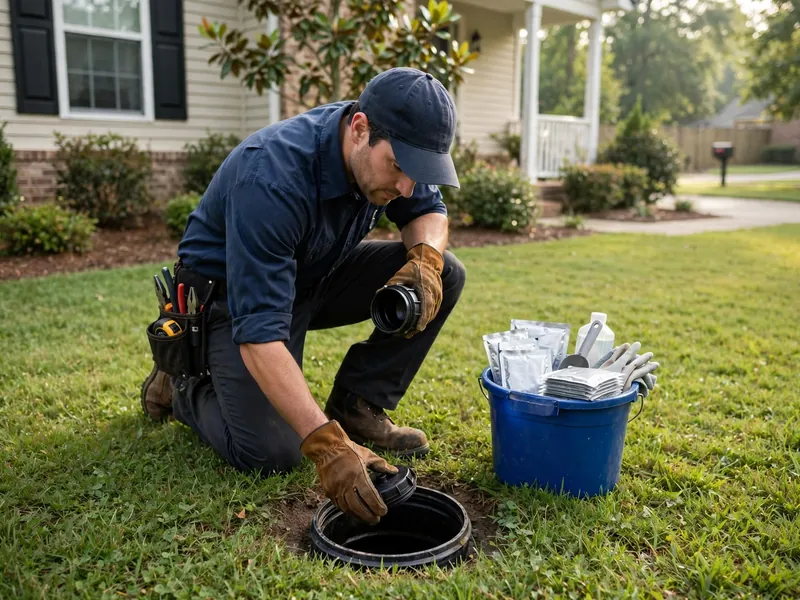
Find your main cleanout now, before you need it in an emergency — it is usually a capped pipe near the foundation or in the yard. Make sure the cap is intact (a missing cap lets debris and rainwater in) and that the cleanout is accessible, not buried under mulch or blocked by a shed. Know roughly where your line runs to the street; a camera locating service can mark it if you are unsure. This knowledge turns a midnight backup from a panic into a manageable call: you can tell the dispatcher exactly where the access is.
Keep a simple sewer file: the date and video of every camera inspection, records of cleanings and root treatments, and any repair invoices. This file is valuable in three ways: it shows a technician your line's history at a glance, it demonstrates maintenance diligence if you ever file an insurance claim for a backup, and it is a strong selling point when you list the home — buyers in Southaven's older neighborhoods pay attention to sewer history. Maintenance is mostly habits and records. The professional complement — periodic sewer maintenance with inspection and cleaning on a schedule — handles what habits cannot reach. Together, they are how a sewer line quietly does its job for decades.
Frequently Asked Questions
How often should a home sewer line be professionally cleaned?
For most homes, every 18 to 24 months is a reasonable preventive interval; annually if you have large trees near the line, a history of root intrusion, or an older clay or cast iron line. Homes with new PVC lines and no trees nearby may go several years between cleanings. A camera inspection is the most reliable way to set your interval — it shows how fast buildup and roots actually accumulate in your line.
Are chemical root killers safe for my pipes?
Copper sulfate and foaming root treatments can slow root regrowth between professional cleanings, but they are maintenance aids, not cures — they do not repair the cracked joints roots entered through. Used as directed, they are generally safe for pipes, but they can harm septic systems' biology and should be kept away from desirable plants. They never substitute for physically removing established root masses.
What should I do if my drains gurgle?
Gurgling usually means air is trapped by a partial blockage or a venting problem — the system is telling you flow is restricted. Note which fixtures gurgle and when (after rain is a clue pointing to infiltration). A single gurgling fixture may be a local clog; multiple fixtures gurgling points to the main line. Do not ignore it — gurgling is an early warning, and early warnings are cheap to address.
Can I inspect my own sewer line?
You can monitor symptoms — drainage speed, odors, gurgling, yard wetness — but you cannot see inside the pipe without professional camera equipment. Consumer-grade inspection cameras lack the length, lighting, and locating ability for a main line. Leave the in-pipe inspection to professionals, and focus your DIY efforts on drain habits, trap maintenance, and yard grading.
Does homeowners insurance cover sewer maintenance?
No — maintenance is the homeowner's responsibility, and policies exclude wear, deterioration, and neglect. Insurance may cover sudden backup damage if you carry a water backup endorsement, but it will not pay for the cleaning, root cutting, or inspections that prevent backups. Think of maintenance as the premium you pay yourself to avoid the claim. Our guide to sewer backup insurance coverage explains the distinction in detail.